
Project Planning Tips With On-Site Mobile Asphalt Plants
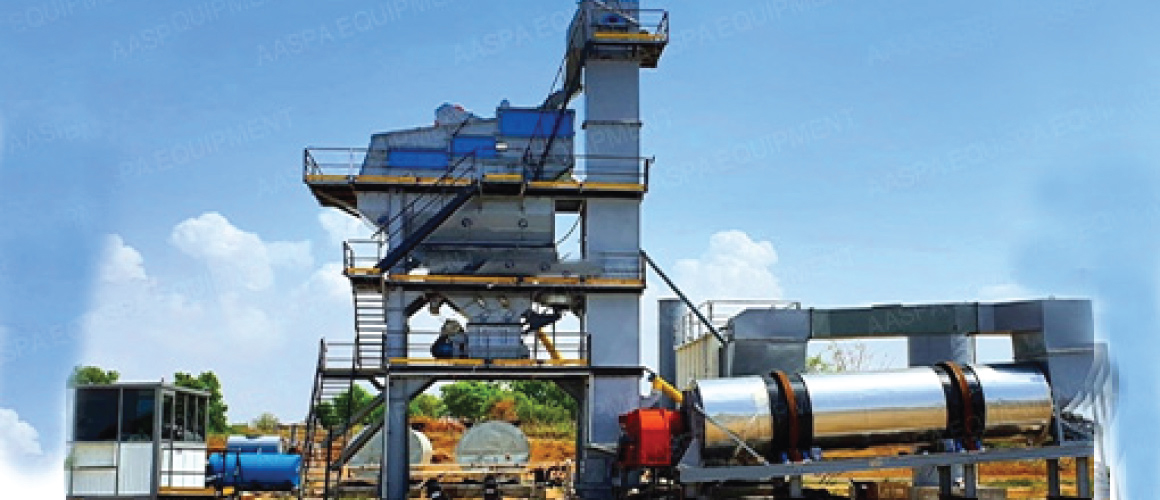
On site mobile asphalt plants have revolutionized the way construction projects manage their asphalt needs. One of the primary benefits is the significant reduction in transportation costs. Traditional asphalt plants often require materials to be transported over long distances, which can lead to increased expenses and delays.
By utilizing mobile plants, contractors can produce asphalt directly at the job site, minimizing the need for transportation and ensuring that materials are fresh and ready for immediate use. This not only streamlines the workflow but also enhances the overall efficiency of the project. Additionally, on site mobile asphalt plants offer greater flexibility in production.
These plants can be easily relocated to different areas of a project site, allowing for adjustments based on changing project requirements or site conditions. This adaptability is particularly beneficial for large-scale projects that may span multiple locations or require different asphalt mixes at various stages. Furthermore, the ability to produce asphalt on demand means that contractors can respond quickly to unforeseen circumstances, such as weather changes or design modifications, without incurring significant delays.
Key Takeaways
- On site mobile asphalt plants offer flexibility and cost savings for project planning
- Understanding the benefits of on site mobile asphalt plants can help in decision making for project planning
- Key considerations for project planning with mobile asphalt plants include location, logistics, and environmental impact
- Maximizing efficiency with on site asphalt production involves proper equipment maintenance and skilled personnel
- Overcoming challenges of on site asphalt mixing requires careful planning and proactive problem-solving
Key Considerations for Project Planning with Mobile Asphalt Plants
When planning a project that incorporates mobile asphalt plants, several key considerations must be taken into account. First and foremost is the selection of the appropriate type of mobile plant based on the specific needs of the project. Factors such as production capacity, mix design requirements, and site conditions should guide this decision.
For instance, a project requiring high volumes of asphalt may necessitate a larger plant with advanced mixing capabilities, while smaller projects might benefit from more compact models. Another critical aspect is site preparation and logistics. The location of the mobile plant should be strategically chosen to optimize accessibility and minimize disruption to ongoing operations.
Adequate space must be allocated for the plant itself, as well as for material storage and equipment maneuvering. Additionally, it is essential to consider local regulations and zoning laws that may impact the operation of mobile asphalt plants. Ensuring compliance with these regulations can prevent potential legal issues and project delays.
Maximizing Efficiency with On-Site Asphalt Production
To maximize efficiency in on site asphalt production, effective communication and coordination among team members are paramount. Establishing clear lines of communication between the plant operators, project managers, and construction crews can facilitate a smoother workflow. Regular meetings to discuss production schedules, material needs, and any potential issues can help keep everyone aligned and focused on project goals.
Moreover, implementing technology can significantly enhance efficiency. Utilizing software for real-time monitoring of production rates, material usage, and quality control can provide valuable insights that help optimize operations. For example, GPS tracking can ensure that materials are delivered promptly to the plant, while data analytics can identify trends in production that may require adjustments.
By leveraging technology in conjunction with effective communication strategies, projects can achieve higher levels of productivity and reduce downtime.
Overcoming Challenges of On-Site Asphalt Mixing
|
Challenges |
Solutions |
|
1. Limited space for equipment |
Utilize compact and mobile asphalt mixing plants |
|
2. Environmental regulations |
Implement dust control measures and use eco-friendly additives |
|
3. Quality control |
Regular testing and monitoring of asphalt mix properties |
|
4. Material transportation |
Optimize logistics and use efficient delivery methods |
Despite the advantages of on site asphalt mixing, several challenges may arise during its implementation. One common issue is the variability in raw material quality, which can affect the final product’s performance. To mitigate this risk, it is crucial to establish strong relationships with reliable suppliers who can consistently provide high-quality aggregates and additives.
Regular testing of materials before use can also help ensure that they meet the necessary specifications. Another challenge is managing environmental concerns associated with asphalt production. Emissions from mobile plants can impact air quality, leading to potential regulatory scrutiny.
To address this issue, operators should implement best practices for emissions control, such as using cleaner fuels and incorporating advanced filtration systems.
Additionally, scheduling production during off-peak hours can minimize disturbances to nearby communities and reduce the overall environmental footprint of the project.
Integrating Mobile Asphalt Plants into Project Planning
Integrating mobile asphalt plants into project planning requires a comprehensive approach that considers all aspects of the construction process. This includes aligning the production schedule with other project timelines to ensure that asphalt is available when needed without causing delays. A well-coordinated plan will take into account not only the asphalt production but also other critical activities such as site preparation, paving operations, and quality assurance testing.
Furthermore, collaboration with stakeholders is essential for successful integration. Engaging with local authorities, environmental agencies, and community members early in the planning process can help address concerns and foster goodwill. By demonstrating a commitment to responsible practices and open communication, project managers can build trust and support for the use of mobile asphalt plants within their projects.
Best Practices for On-Site Asphalt Plant Management
Effective management of on site asphalt plants is vital for ensuring smooth operations and high-quality output. One best practice is to establish a comprehensive training program for plant operators and staff. This training should cover not only the technical aspects of operating the equipment but also safety protocols and environmental regulations.
Well-trained personnel are more likely to adhere to best practices, reducing the risk of accidents and ensuring compliance with industry standards. Additionally, regular maintenance of equipment is crucial for optimal performance. Implementing a preventive maintenance schedule can help identify potential issues before they escalate into costly repairs or downtime.
Keeping detailed records of maintenance activities and equipment performance can also provide valuable insights for future projects and help inform decisions regarding equipment upgrades or replacements.
FAQs
What are the benefits of using on-site mobile asphalt plants for project planning?
On site mobile asphalt plants offer several benefits, including cost savings, reduced transportation expenses, increased efficiency, and the ability to produce asphalt on demand, leading to better project scheduling and overall project management.
What are the key considerations for project planning with mobile asphalt plants?
Key considerations for project planning with mobile asphalt plants include site accessibility, environmental regulations, local permitting requirements, material availability, and the specific needs of the project in terms of asphalt quality and quantity.
How can efficiency be maximized with on-site asphalt production?
Efficiency with on site asphalt production can be maximized by optimizing plant layout, utilizing advanced technology for asphalt mixing, implementing effective scheduling and logistics, and ensuring proper maintenance of the mobile asphalt plant.
What are the common challenges of on-site asphalt mixing and how can they be overcome?
Common challenges of on site asphalt mixing include weather conditions, material quality control, and logistical issues. These challenges can be overcome through proper planning, monitoring, and implementing contingency measures to address unforeseen circumstances.
How can mobile asphalt plants be integrated into project planning effectively?
Mobile asphalt plants can be effectively integrated into project planning by conducting thorough site assessments, collaborating with experienced asphalt plant operators, and incorporating the plant’s production capabilities into the project timeline and budget.
What are the best practices for on-site asphalt plant management?
Best practices for on site asphalt plant management include regular maintenance and inspection of the plant, training of personnel on plant operation and safety protocols, adherence to environmental and safety regulations, and maintaining open communication with project stakeholders.
How can quality control be ensured with on-site asphalt production?
Quality control with on site asphalt production can be ensured through rigorous testing of raw materials, monitoring the asphalt mixing process, conducting regular quality checks of the produced asphalt, and adhering to industry standards and specifications.