
Venezuela Crude Oil
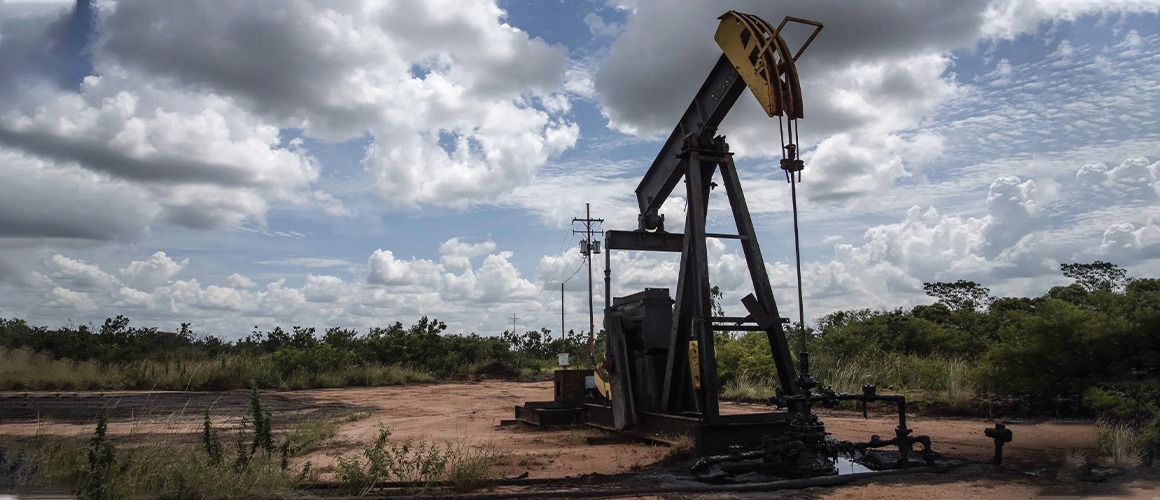
Venezuela possesses vast reserves of crude oil, a resource that has shaped its history, economy, and international standing. This article explores the journey of Venezuelan crude oil, from its early discovery to its present-day complexities.
The Genesis of Venezuelan Oil
The story of Venezuela’s oil industry begins in the early 20th century. While indigenous peoples were aware of oil seeps, systematic exploration and exploitation emerged with foreign investment.
Early Discoveries and Foreign Influence
The discovery of significant oil fields, particularly in the Maracaibo Basin, marked a turning point. Companies like Standard Oil and Royal Dutch Shell played a pivotal role in developing infrastructure and exporting oil. This period laid the groundwork for Venezuela to become a major oil producer.
The Rise of National Companies
As nationalistic sentiments grew, the government sought greater control over its natural wealth. This led to the establishment of the Venezuelan Petroleum Corporation (CVP) in 1960, a crucial step towards nationalizing the oil industry. The goal was to ensure that Venezuela, not foreign entities, benefited most from its oil.
OPEC and Global Influence
Venezuela was a founding member of the Organization of the Petroleum Exporting Countries (OPEC). Its participation in OPEC amplified its voice on the global stage, influencing oil prices and production policies for decades. Being part of this cartel gave Venezuela leverage it wouldn’t have had alone.
The Economic Engine: Oil’s Impact on Venezuela
For much of the 20th and early 21st centuries, oil has been the undisputed backbone of the Venezuelan economy. Its revenue has funded public services, infrastructure, and social programs.
The Oil Boom Years
Periods of high global oil prices translated into significant economic growth for Venezuela. Governments used these revenues to finance ambitious projects and expand social welfare initiatives. This created a perception of prosperity, though it was heavily dependent on a single commodity.
Dependence and Vulnerability
However, this reliance on oil also made Venezuela vulnerable to price fluctuations. When oil prices fell, the economy suffered, leading to fiscal deficits and social unrest. The economy became like a boat tethered to a single, often turbulent, market tide.
Diversification Efforts (and their limitations)
Attempts were made to diversify the economy away from oil, but these efforts often struggled to gain traction against the established dominance of the oil sector. The ease of generating revenue from oil often overshadowed the harder work of building other industries.
Global Market Dynamics and Venezuelan Oil
Venezuela’s vast reserves have historically made it a significant player in the global oil market, influencing supply, demand, and price.
A Key Supplier
For decades, Venezuela was a reliable supplier of light and heavy crude oil to the United States and other international markets. Its geographical proximity to the US was a significant factor in this relationship.
The Impact of Sanctions
In recent years, international sanctions have severely curtailed Venezuela’s oil exports. This has disrupted global supply chains and forced consumers to seek alternative sources, demonstrating how the fortunes of one nation’s oil can ripple across continents.
Shifts in Market Share
The decline in Venezuelan production has allowed other oil-producing nations, particularly in North America, to increase their market share. This has reshaped the global oil landscape.
Challenges Facing the Venezuelan Oil Sector
|
Challenges |
Impact |
|
Political instability |
Uncertainty for investors |
|
Economic crisis |
Decreased investment in infrastructure |
|
Sanctions |
Limited access to international markets |
|
Corruption |
Decreased efficiency and transparency |
The Venezuelan oil industry faces a multifaceted array of challenges, hindering its ability to reach its full potential. These challenges are a complex knot, requiring careful untangling.
Declining Production and Infrastructure Decay
Years of underinvestment, mismanagement, and sanctions have led to a dramatic drop in oil production. Infrastructure, from wells to refineries, has deteriorated, requiring significant capital for repairs and upgrades.
Political and Economic Instability
The ongoing political and economic crisis in Venezuela creates an environment of uncertainty that discourages investment and hinders efficient operations. This instability is a constant headwind for the industry.
Access to Technology and Expertise
Sanctions and brain drain have limited Venezuela’s access to critical technologies and skilled personnel needed to maintain and improve its oil operations. The industry has been like a machine starved of essential parts and skilled mechanics.
Debt and Financial Constraints
High levels of national debt and limited access to international finance make it difficult for Venezuela to secure the massive investments required for oil sector recovery.
Opportunities and The Path Forward
Despite the significant challenges, opportunities exist for the revitalization of Venezuela’s oil industry, albeit with a transformed approach.
Potential for Recovery
With the right investment, technology, and stable governance, Venezuela possesses the reserves to significantly increase its production. The sheer size of its underground treasure trove remains undeniable.
Modernization and Efficiency
Adopting modern technologies and improving operational efficiency could help to reduce costs and increase output. This requires a commitment to best practices and innovation.
Strategic Partnerships
Exploring new partnerships with countries and companies that are willing and able to invest in the sector could be a crucial step. These partnerships need to be built on mutual benefit and transparency.
Focus on Heavy Crude Exploitation
Venezuela’s significant reserves of heavy crude oil offer a unique opportunity. Developing the technology and infrastructure to process and market these heavier grades could unlock substantial value.
Environmental Considerations in Venezuelan Oil Production
The extraction and processing of crude oil inherently carry environmental risks, and Venezuela is no exception. Responsible stewardship is paramount.
Historical Contamination
Past oil extraction practices, often with less stringent environmental regulations, have led to soil and water contamination in some regions. The legacy of these practices continues to be a concern.
Emissions and Climate Change
Oil production contributes to greenhouse gas emissions, impacting air quality and climate change. Venezuela, like all oil-producing nations, has a role to play in mitigating these effects.
Spill Prevention and Response
Ensuring robust spill prevention measures and rapid, effective response mechanisms are critical to minimize the environmental damage from potential accidents. Preparedness is key.
Transition to Cleaner Energy
While oil remains a significant resource, exploring and investing in renewable energy sources is essential for Venezuela’s long-term environmental sustainability and economic resilience. Diversifying the energy portfolio is a global imperative.
The Future of Venezuelan Oil: Trends and Projections
The future of Venezuelan crude oil is subject to numerous variables, making definitive projections challenging, but certain trends are discernible.
Gradual Recovery Potential
If political and economic conditions stabilize and international sanctions ease, a gradual recovery in oil production is possible. However, regaining past levels of output will be a long and arduous process.
Shifting Export Markets
The relaxation or continuation of sanctions will dictate Venezuela’s ability to access traditional export markets. New relationships and trade routes may emerge.
Role of Technology
Technological advancements in extraction and refining will play a significant role in determining the cost-effectiveness and environmental impact of future production.
Global Energy Transition
The global shift towards cleaner energy sources will influence the long-term demand for all fossil fuels, including Venezuelan crude oil. Venezuela’s strategy must account for this seismic global shift.
Venezuelan Oil in the Geopolitical Arena
Venezuela’s oil reserves have profoundly influenced its foreign policy and its relationships with other nations. The nation’s black gold acts as a geopolitical chess piece.
Strategic Importance
Venezuela’s position as a major oil producer has historically made it a country of strategic interest for global powers. Its resources grant it an inherent importance on the world stage.
US-Venezuela Relations
Relations between Venezuela and the United States have been complex and often strained, heavily influenced by oil interests and political differences. The ebb and flow of oil trade has often been a barometer of their relationship.
Ties with China and Russia
In recent years, Venezuela has deepened its energy ties with countries like China and Russia, seeking alternative markets and investment avenues in the face of Western sanctions. These alliances offer a lifeline and alter established global energy flows.
Impact of Sanctions on Diplomacy
International sanctions have reshaped diplomatic engagements, often limiting Venezuela’s ability to interact freely on the global energy stage.
Strategies for Sustainable Development in the Venezuelan Oil Industry
Achieving sustainable development in Venezuela’s oil sector requires a multi-pronged approach that balances economic needs with environmental responsibility and social equity.
Strengthening Governance and Transparency
Implementing robust governance structures and ensuring transparency in all oil-related operations are fundamental for rebuilding trust and attracting responsible investment. Clear rules of the game are essential.
Investing in Environmental Protection
Prioritizing environmental impact assessments, pollution control, and remediation efforts is crucial for mitigating the ecological footprint of oil production. Protecting the natural heritage while extracting resources is a delicate balancing act.
Fostering Diversification and Local Content
Promoting economic diversification beyond oil and encouraging local content in the supply chain will build a more resilient and equitable economy. Reducing over-reliance on a single commodity is a long-overdue strategy.
Human Capital Development
Investing in education and training for the workforce within the oil sector and related industries is vital for long-term success and for ensuring that the benefits of oil are shared broadly. Equipping its people with the skills needed for the future is an investment in the nation’s capacity.
Embracing Innovation and Technology
Adopting cutting-edge technologies for more efficient and environmentally sound extraction, processing, and transportation of oil can improve performance and reduce risks. Embracing the tools of the future is not optional, but essential for relevance.
FAQs
- What is the history of Venezuela’s crude oil industry?
Venezuela’s crude oil industry dates back to the early 20th century when oil was first discovered in the country. The industry experienced significant growth and development, particularly during the 20th century, making Venezuela one of the world’s leading oil producers.
- What is the impact of Venezuelan oil on the global market?
Venezuelan oil has historically played a significant role in the global oil market, with the country possessing some of the largest proven oil reserves in the world. The production and export of Venezuelan oil have had a notable impact on global oil prices and supply dynamics.
- What are the challenges and opportunities in the Venezuelan oil sector?
The Venezuelan oil sector faces numerous challenges, including political instability, economic sanctions, and aging infrastructure. However, there are also opportunities for investment, modernization, and increased efficiency in the industry.
- What is the environmental impact of Venezuelan crude oil production?
The production of Venezuelan crude oil has had environmental consequences, including deforestation, water pollution, and greenhouse gas emissions. Efforts to mitigate these impacts are essential for sustainable development in the Venezuelan oil industry.
- What is the future of Venezuelan oil: trends and projections?
The future of Venezuelan oil is uncertain, with factors such as political instability, economic challenges, and shifting global energy trends influencing the industry. Projections suggest that the Venezuelan oil sector will continue to face both opportunities and obstacles in the coming years.