
Road Construction Equipment Trends in 2025 and Beyond
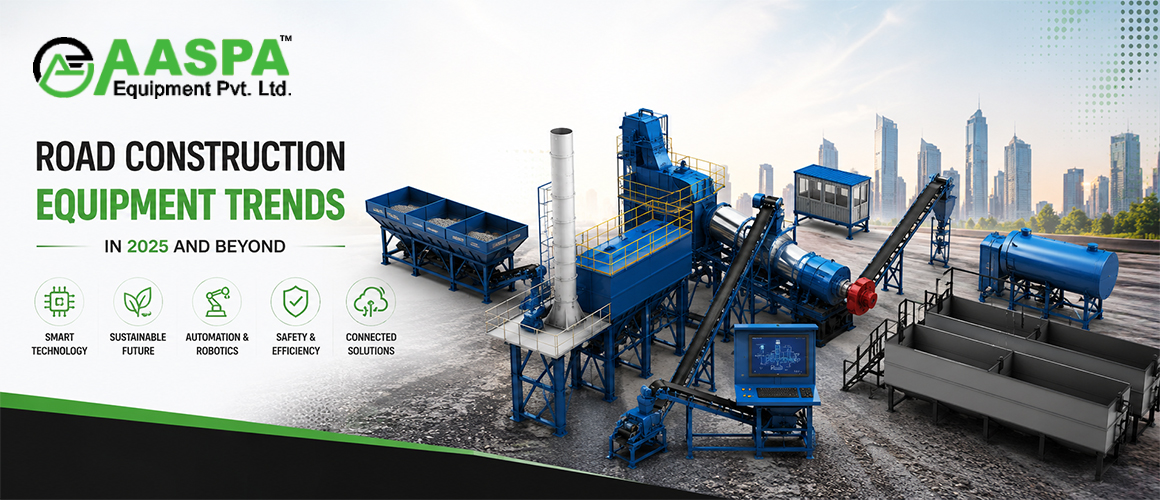
The road construction equipment landscape is definitely shifting. As we look towards 2025 and beyond, the biggest story is technology integration, making machines smarter, more efficient, and a lot more environmentally conscious. Think less brute force, more precision and data-driven work. This isn’t about fancy gadgets; it’s about practical improvements that tackle real challenges on the job site.
How Is Advanced Technology Transforming Road Construction Equipment?
The machines we use to build roads are getting a serious tech upgrade. It’s not just about more powerful engines anymore; it’s about equipping them with the brains to do more, better. This integration isn’t some far-off future; it’s happening now and will accelerate significantly.
Data-Driven Operations Take Center Stage
Imagine your equipment not just performing a task, but also collecting vast amounts of data about it. Sensors are becoming standard, measuring everything from soil density and asphalt temperature to machine performance and fuel consumption. This information is gold.
Real-Time Performance Monitoring
Operators and project managers can now see exactly how their equipment is performing in real-time. This means identifying issues before they become major problems, optimizing fuel usage, and ensuring tasks are completed to precise specifications.
Predictive Maintenance Becomes the Norm
Instead of waiting for a breakdown, advanced diagnostics can predict when a component might fail. This allows for scheduled maintenance at convenient times, minimizing downtime and saving significant costs associated with unexpected repairs.
Precision in Every Move: GPS and Machine Control
You’ve probably seen GPS systems guiding farm equipment, and now they’re commonplace on road construction sites. But it’s gone beyond simple navigation to sophisticated machine control.
Automated Grading and Compaction
Bulldozers and compactors can now be programmed to follow precise 3D designs. This means a layer of asphalt or soil can be placed and compacted to exact depths and densities without constant manual adjustments. It leads to a more uniform and durable final product.
Enhanced Surveying and Site Preparation
From initial surveying to final grading, GPS-guided equipment ensures that the ground is prepared exactly as planned. This reduces rework and material waste, which is a win for both budget and environment.
What Sustainable Construction Trends Are Shaping the Future?
Environmental concerns are no longer an afterthought; they’re a driving force in how we design and operate road construction equipment. The focus is on reducing emissions, minimizing waste, and using resources more efficiently.
Electrification and Alternative Fuels Gain Momentum
The internal combustion engine hasn’t disappeared, but its dominance is being challenged. Electric and hybrid alternatives are becoming increasingly viable for construction equipment.
Electric Excavators and Loaders on the Rise
For smaller to medium-sized equipment, electric models are proving their worth. They offer quieter operation, zero tailpipe emissions, and lower running costs due to cheaper electricity compared to diesel. The battery technology is improving rapidly, making them practical for more applications.
Exploring Hydrogen and Advanced Biodiesel
While electric is gaining traction, longer-term solutions like hydrogen fuel cells and advanced biofuels are also being researched and tested. These could offer emission-free power for larger, more demanding machinery in the future.
Waste Reduction and Material Efficiency
It’s not just about the machines themselves, but also what they do with materials. Smarter operations mean less waste.
Recycling and Reclaiming Pavement
Technologies that allow for the efficient recycling of old asphalt and concrete directly on-site are becoming more sophisticated. This significantly reduces the need for new materials and lowers transportation emissions.
Optimized Material Placement and Use
Precision grading and compaction, powered by advanced technology, ensure that materials are used exactly where and how they are needed, preventing over-application and waste.
How Are Automation and Robotics Changing Construction Sites?
The idea of robots on construction sites might sound like science fiction, but it’s rapidly becoming a reality in road construction. Automation is all about taking on repetitive, dangerous, or highly precise tasks.
Autonomous Vehicles for Material Transport
Imagine trucks and other vehicles moving materials around a construction site without a human driver. This is becoming a real possibility, especially for large, repetitive hauls.
Increased Efficiency and Reduced Labor Costs
Autonomous vehicles can operate around the clock, in challenging conditions, and with a high degree of precision, leading to greater efficiency and potentially lower labor requirements for certain tasks.
Enhanced Safety in Hazardous Zones
Removing human operators from high-risk areas, such as active quarry sites or areas with heavy traffic, can significantly improve safety.
Collaborative Robots (Cobots) Working Alongside Humans
Cobots are designed to work safely and efficiently in close proximity to human workers, assisting them with tasks.
Precision Tasks and Repetitive Work
Cobots can be used for tasks requiring extreme precision, like applying specialized materials or for repetitive, physically demanding jobs, freeing up human workers for more complex or supervisory roles.
Improving Operator Skill and Safety
By taking over some of the more strenuous or hazardous aspects of operation, cobots can help reduce worker fatigue and the risk of injury.
What Future Innovations Will Impact Road Equipment?
|
Category |
Metric |
Value |
|
Technology |
AI Integration |
90% |
|
Healthcare |
Telemedicine Adoption |
75% |
|
Transportation |
Electric Vehicles |
60% |
|
Environment |
Renewable Energy Usage |
50% |
While current trends are impressive, what’s next for road construction equipment? The focus is on even greater intelligence, sustainability, and integration.
Advanced AI and Machine Learning Integration
Artificial intelligence is moving beyond simple data analysis to enabling machines to make more complex decisions.
Adaptive Equipment Control
AI could allow equipment to adapt its operation in real-time based on a multitude of changing factors, such as unexpected ground conditions or traffic flow.
Intelligent Site Management and Optimization
AI could one day manage entire construction sites, optimizing the deployment and operation of all machinery to achieve project goals most effectively.
Modular and Adaptable Equipment Designs
The ability to reconfigure or adapt equipment for different tasks could become more important.
Multi-Functionality on a Single Platform
Imagine a base unit that can be quickly fitted with different attachments or modules to perform various operations, reducing the need for multiple specialized machines.
Faster Deployment and Reduced Transportation Needs
Modular designs could make equipment easier to transport and assemble on-site, streamlining project logistics.
Why Is Environmental Impact a Growing Priority?
The environmental impact of construction equipment is a major focus. It’s not just about emissions anymore, but the entire lifecycle of the equipment and its operation.
Lifecycle Assessment and Sustainability Metrics
Manufacturers are increasingly looking at the entire lifespan of their equipment, from raw material sourcing and manufacturing to operational energy consumption and end-of-life recycling.
Designing for Durability and Repairability
Building machines that last longer and are easier to repair reduces the need for frequent replacements, which has a significant environmental benefit.
Reduced Noise Pollution
The shift towards electric and quieter engines directly addresses concerns about noise pollution on construction sites, impacting both workers and surrounding communities.
Impact of Efficient Operations on Resource Depletion
When equipment operates more efficiently, it consumes less fuel and fewer raw materials. This direct link between operational efficiency and resource conservation is a key driver of innovation.
Minimizing Ground Disturbance
Advanced guidance systems and more precise machinery mean less unnecessary digging, grading, and compaction, which helps preserve existing terrain and ecosystems.
Reduced Water Usage in Construction Processes
Newer technologies and methods are also emerging to reduce the water required for tasks like dust suppression and concrete mixing, contributing to overall resource conservation.
How Will Smart and Connected Equipment Improve Job Sites?
The future of road construction is a connected one. Equipment will talk to each other, to site managers, and even to the road infrastructure itself.
Internet of Things (IoT) and Cloud Connectivity
IoT devices embedded in machinery create a network of intelligent assets that can communicate with each other and with central management systems.
Seamless Data Flow and Remote Management
Project managers can monitor and control equipment remotely, track progress across multiple sites, and receive real-time alerts, enhancing oversight and decision-making.
Interoperability Between Different Systems
The goal is for equipment from various manufacturers to communicate and work together seamlessly, creating a more integrated and efficient workflow.
Vehicle-to-Infrastructure (V2I) Communication
This concept, still in its early stages for construction, could see equipment communicating with traffic signals, other vehicles, and even the road surface itself.
Real-Time Traffic Management for Construction Zones
Imagine construction equipment communicating with upcoming traffic lights to optimize flow or alerting autonomous vehicles to the presence of a work zone.
Enhanced Hazard Warnings and Safety Alerts
Connected equipment could provide proactive warnings about potential hazards on the road, both for operators within the construction zone and for passing vehicles.
How Are Safety and Efficiency Driving Equipment Development?
Ultimately, all these trends boil down to making road construction safer and more efficient. This isn’t just about ticking boxes; it’s about making the job site a better, more productive, and less dangerous place.
Enhancing Operator Visibility and Situational Awareness
New technologies are focused on giving operators a clearer picture of their surroundings, reducing blind spots and improving their ability to react to dynamic environments.
360-Degree Camera Systems and Augmented Reality Displays
These systems provide operators with a comprehensive view of their work area, while AR can overlay crucial data onto their field of vision.
Improved Human-Machine Interface (HMI)
Intuitive controls and user-friendly interfaces reduce the learning curve and allow operators to focus on the task at hand, rather than wrestling with complex machinery.
Automation for Reduced Human Error and Fatigue
By taking over repetitive or high-risk tasks, automation directly reduces the potential for human error and combats the fatigue that can lead to accidents.
Consistent Quality of Work
Automated processes ensure tasks are performed to exact specifications every time, leading to higher quality roads and less need for rework.
Protecting Workers from Hazardous Conditions
Moving workers away from the direct path of heavy machinery or into less hazardous operational roles is a fundamental safety improvement.
The road construction equipment of tomorrow will be smarter, cleaner, and more integrated, ultimately building better infrastructure with greater precision and less impact.
FAQs
- What are the key trends in road construction equipment for 2025 and beyond?
In 2025 and beyond, road construction equipment trends are expected to focus on advanced technology integration, sustainable construction practices, automation and robotics, smart and connected equipment, and innovations aimed at improving safety and efficiency.
- How is advanced technology being integrated into road construction equipment?
Advanced technology is being integrated into road construction equipment through the use of telematics, GPS tracking, machine control systems, and advanced materials. This integration allows for more precise and efficient construction processes, leading to cost savings and improved project timelines.
- What are the sustainable construction trends in road construction equipment for 2025 and beyond?
Sustainable construction trends in road construction equipment include the use of eco-friendly materials, energy-efficient machinery, and the adoption of sustainable construction practices such as recycling and reusing materials. These trends aim to reduce the environmental impact of road construction projects.
- How are automation and robotics being utilized in construction equipment?
Automation and robotics are being utilized in construction equipment to improve efficiency and safety. This includes the use of autonomous vehicles, robotic arms for material handling, and automated construction processes, reducing the need for manual labor and minimizing the risk of accidents.
- What is the environmental impact of construction equipment trends, and how are they being addressed?
Construction equipment trends have a significant environmental impact, including emissions, noise pollution, and resource consumption. To address these issues, the industry is focusing on developing cleaner and more efficient equipment, implementing stricter emissions standards, and promoting sustainable construction practices.