
Drum Mix Plant Burner Options: Diesel, Gas and Dual-Fuel Compared
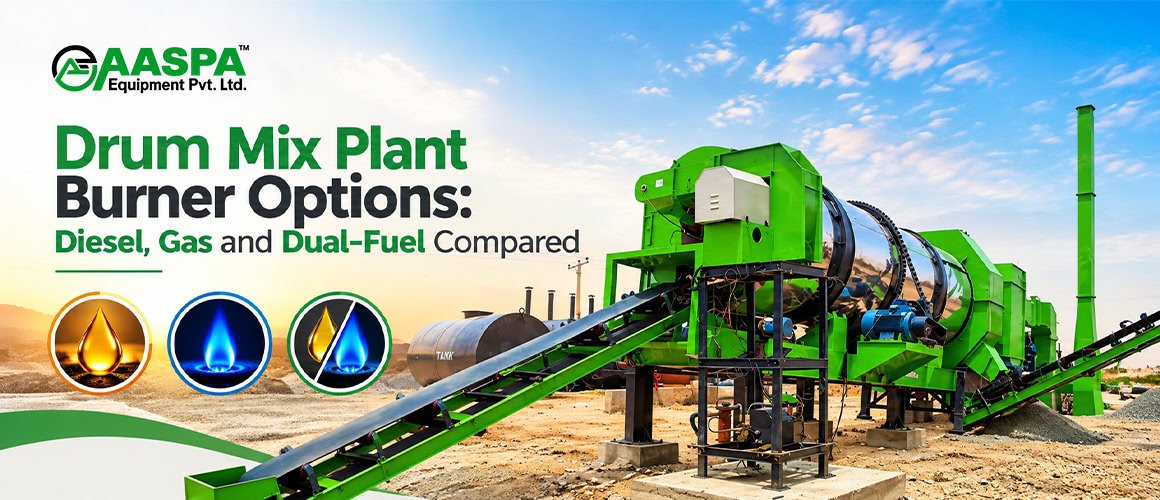
Compare diesel, gas and dual-fuel drum mix plant burners by fuel cost, efficiency, emissions and maintenance to choose the right option for your asphalt plant.
The heart of any drum mix asphalt plant beats with the rhythm of its burner. This crucial component dictates the efficiency, cost-effectiveness, and environmental footprint of the entire operation. As asphalt producers strive for optimal performance, understanding the nuances of different burner types becomes paramount. This exploration delves into the world of diesel, gas, and dual-fuel burners, offering a comprehensive overview to guide informed decisions.
Overview of Burner Types for Drum Mix Plants
Drum mix asphalt plants require a robust and reliable heat source to dry and heat aggregates to the precise temperatures needed for bitumen coating. The burner’s primary function is to efficiently combust fuel, generating hot gases that flow through the rotating drum. The design and fuel type of the burner significantly influence its operational characteristics, including fuel consumption, maintenance requirements, emissions, and initial investment. Broadly, three main categories dominate the landscape: diesel burners, gas burners, and dual-fuel burners. Each possesses a distinct set of advantages and disadvantages that cater to different operational environments, fuel availability, and economic considerations. The selection of the correct burner is not a one-size-fits-all decision; it necessitates a careful evaluation of various factors unique to each plant’s location and business objectives.
Understanding the Combustion Process
At its core, the burner’s task is to initiate and sustain a controlled combustion reaction. This involves the atomization of fuel, its mixing with air in the correct proportions, and ignition to produce high-temperature flame. The efficiency of this process directly translates to the amount of fuel required to achieve the desired aggregate temperature. Factors like burner design, air-fuel ratio control, and the quality of the fuel itself all play a critical role in maximizing thermal efficiency and minimizing energy waste.
Key Components of a Drum Mix Burner
Regardless of the fuel type, most drum mix plant burners share common essential components. The fuel delivery system ensures a consistent and controlled supply of fuel to the combustion chamber. The atomization mechanism, particularly crucial for liquid fuels like diesel, breaks down the fuel into fine droplets for efficient vaporization and combustion. The air supply system, often incorporating a blower and adjustable dampers, provides the necessary oxygen for the combustion process. Finally, the ignition system, typically an electric igniter, initiates the flame, which is then sustained by the continuous fuel supply. The design of the combustion chamber and flame retention devices also contributes to stable and efficient flame generation.
Diesel Burners: Efficiency and Cost Considerations
Diesel burners have long been a workhorse in the asphalt industry, valued for their robust performance and widespread fuel availability. Their ability to deliver high heat output makes them suitable for demanding drying and heating applications. The initial cost of diesel burners is often lower compared to their gas or dual-fuel counterparts, making them an attractive option for operations with budget constraints or for temporary setups. The infrastructure required for diesel is relatively straightforward, primarily involving storage tanks and a reliable fuel supply chain. However, the operational costs associated with diesel can be significant, driven by fluctuating diesel prices and a less efficient combustion process compared to natural gas in certain scenarios.
Fuel Atomization and Combustion Dynamics
The efficiency of a diesel burner hinges on its ability to effectively atomize the diesel fuel. This process breaks down the liquid fuel into microscopic droplets, increasing the surface area available for vaporization and mixing with air. Various atomization methods exist, including pressure atomization and mechanical atomization, each with its own effectiveness and maintenance demands. Once atomized, the fuel mixes with preheated combustion air to create a combustible mixture. The flame produced by diesel burners is typically characterized by its intensity and ability to withstand fluctuating aggregate flow rates within the drum.
Operational Costs and Maintenance
The primary driver of operational costs for diesel burners is the price of diesel fuel itself, which can be subject to considerable volatility. Beyond fuel, maintenance plays a crucial role. Diesel burners can be prone to carbon buildup, especially if fuel quality is inconsistent or if air-fuel ratios are not optimally maintained. Regular cleaning of nozzles, filters, and combustion chambers is essential to prevent performance degradation and potential downtime. While the initial investment might be lower, the long-term fuel expenditure and the need for diligent maintenance can contribute to a higher total cost of ownership over the lifespan of the equipment.
Advantages and Disadvantages of Diesel
The advantages of diesel burners include their high heat output capacity, making them suitable for a wide range of aggregate types and moisture content. Their independent operation from external gas lines offers flexibility in site selection. They are generally considered robust and reliable in harsh operating environments. However, the disadvantages are notable. The cost of diesel fuel can be a significant operational expense, and its price can fluctuate unpredictably. Diesel combustion also tends to produce higher levels of particulate matter and NOx emissions compared to natural gas, necessitating more stringent emission control measures. The potential for carbon fouling requires regular maintenance.
Gas Burners in Asphalt Mix Plants: Benefits and Drawbacks
The advent of natural gas burners in asphalt mix plants has brought about a significant shift in operational efficiency and environmental performance. Natural gas is often a cleaner-burning fuel than diesel, resulting in lower emissions of greenhouse gases and particulate matter. Furthermore, when natural gas infrastructure is readily available, its cost can be more stable and often more economical than diesel, leading to substantial operational savings over time. The combustion of natural gas is typically more complete and efficient, requiring less fuel to achieve the same heat output compared to diesel in many applications.
Fuel Supply and Infrastructure Requirements
The primary prerequisite for utilizing gas burners is access to a reliable natural gas pipeline. This can be a limiting factor for plants located in remote areas where gas infrastructure is not established. In such cases, propane or liquefied petroleum gas (LPG) can be used as alternatives, though these often come with higher fuel costs and require on-site storage and vaporization systems. The installation of gas burners involves connecting to the gas supply, ensuring appropriate pressure regulation, and implementing safety protocols for gas handling.
Environmental Benefits and Emission Profiles
One of the most compelling arguments for gas burners is their reduced environmental impact. Natural gas combustion produces significantly lower levels of sulfur dioxide (SO2) and nitrogen oxides (NOx) compared to diesel, contributing to improved air quality. The reduction in particulate matter is also a key advantage, aligning with increasingly stringent environmental regulations. The cleaner combustion also leads to less carbon buildup within the burner and the drum, potentially reducing maintenance frequency and improving overall system longevity.
Cost-Effectiveness and Operational Efficiency
The cost-effectiveness of gas burners is heavily dependent on the prevailing natural gas prices in a given region. When gas is competitively priced, it can offer substantial savings in fuel costs compared to diesel. The higher combustion efficiency of natural gas also contributes to lower fuel consumption per ton of asphalt produced. The stable nature of gas pricing can provide greater predictability in operational budgeting. However, if natural gas prices escalate significantly, the economic advantage can diminish. The initial investment for gas burners might be slightly higher, but this is often offset by lower ongoing fuel and maintenance costs.
Challenges and Drawbacks of Gas
Despite their many advantages, gas burners are not without their challenges. The most significant drawback is the reliance on gas infrastructure. If a plant is not situated near a natural gas line, the cost and complexity of bringing gas to the site, or using alternative gaseous fuels like propane, can be prohibitive. While generally cleaner, incomplete combustion can still occur, leading to emissions, and proper burner tuning is crucial to optimize performance and minimize environmental impact. Furthermore, the flame characteristics of gas may differ from diesel, and some older drum designs might require adjustments to accommodate gas burner operation effectively.
Dual-Fuel Burners: Flexibility for Drum Mix Operations
|
Metric |
Value |
Unit |
Description |
|
Fuel Types Supported |
2 |
Types |
Supports both natural gas and fuel oil for burner operation |
|
Fuel Switching Time |
30 |
Seconds |
Time required to switch between fuel types without interrupting operation |
|
Thermal Output Range |
500 – 2000 |
kW |
Range of heat output suitable for drum mix asphalt production |
|
Fuel Efficiency |
85 – 92 |
% |
Efficiency range depending on fuel type and operating conditions |
|
NOx Emissions |
30 – 50 |
mg/Nm³ |
Typical nitrogen oxide emissions during operation |
|
Operational Flexibility |
High |
– |
Ability to adapt to fuel availability and cost fluctuations |
|
Maintenance Interval |
6 |
Months |
Recommended period between routine maintenance checks |
|
Control System |
Automated |
– |
Integrated control for seamless fuel switching and burner management |
Dual-fuel burners represent the pinnacle of flexibility for drum mix asphalt plants, offering the capability to operate on either diesel or natural gas. This adaptability is invaluable in today’s dynamic energy market, where fuel prices and availability can shift rapidly. A plant equipped with a dual-fuel burner can seamlessly switch between fuels based on which is more economical or readily available at a given time. This eliminates the risk of being stranded by a sudden surge in the price or scarcity of a single fuel source.
Strategic Fuel Selection and Cost Management
The primary advantage of dual-fuel burners lies in their ability to optimize fuel costs. Operators can monitor market prices and choose the most cost-effective fuel on a day-to-day or even hour-to-hour basis. This strategic approach to fuel procurement can lead to significant savings over the operating season. For instance, during periods of low natural gas prices, the plant can utilize gas, and when diesel prices are more favorable or gas supply is interrupted, it can easily switch to diesel. This resilience in fuel sourcing provides a competitive edge.
Ensuring Uninterrupted Operations
The ability to switch fuels provides an invaluable layer of operational security. If there are disruptions in the natural gas supply, whether due to infrastructure maintenance, seasonal demand fluctuations, or unforeseen events, the plant can immediately revert to diesel operation without significant downtime. This ensures that production schedules are maintained and contractual obligations are met. This inherent redundancy minimizes the risk of lost production and associated revenue.
Dual-Fuel Burner Technology and Operation
Dual-fuel burners are engineered with sophisticated control systems that manage the transition between fuels. This typically involves independent fuel lines, pumps, and control valves for each fuel type. The burner itself is designed to efficiently combust both fuels. The transition process is usually automated, requiring minimal operator intervention. Advanced control systems can even be programmed to automatically switch fuels based on pre-set price thresholds or supply availability alerts, further enhancing operational efficiency and cost management.
Investment and Maintenance Considerations
The initial investment for a dual-fuel burner system is typically higher than for a single-fuel burner. This is due to the added complexity of the dual fuel delivery and control systems. Maintenance requirements can also be more involved, as there are more components to service. However, the long-term benefits of fuel flexibility and potential cost savings often outweigh the increased initial investment and maintenance overhead. Regular maintenance of both fuel systems is crucial to ensure reliable operation and longevity.
Environmental Impact of Different Drum Plant Burner Options
The environmental impact of drum mix asphalt plants is increasingly scrutinized, and the choice of burner plays a significant role in mitigating this impact. Different fuel types and burner technologies have varying emission profiles, influencing air quality and contributing to greenhouse gas emissions. Understanding these differences is crucial for plants aiming to operate sustainably and comply with evolving environmental regulations.
Emission Profiles: NOx, Sox, and Particulate Matter
Diesel combustion generally produces higher levels of nitrogen oxides (NOx) and particulate matter (PM) compared to natural gas. NOx contributes to smog formation and acid rain, while PM can have adverse effects on respiratory health. Sulfur dioxide (Sox) emissions are also a concern with diesel, particularly if the fuel contains higher sulfur content, though modern low-sulfur diesel fuels have reduced this issue. Natural gas, being a cleaner-burning fuel, results in significantly lower emissions of NOx, Sox, and PM. This makes gas burners a more environmentally friendly option in terms of direct air pollution.
Greenhouse Gas Emissions and Carbon Footprint
When considering greenhouse gas (GHG) emissions, particularly carbon dioxide (CO2), both diesel and natural gas are fossil fuels and contribute to CO2 release during combustion. However, natural gas generally has a lower carbon intensity per unit of energy produced compared to diesel. This means that for the same amount of heat generated, natural gas combustion will release less CO2. Therefore, switching from diesel to natural gas can contribute to a reduced carbon footprint for an asphalt plant. Dual-fuel burners offer the ability to prioritize the lower-carbon-intensity fuel when economically viable.
Regulatory Compliance and Future Trends
Environmental regulations regarding emissions from industrial facilities are becoming increasingly stringent worldwide. Plants that utilize burners with lower emission profiles, such as natural gas or highly efficient dual-fuel systems, are better positioned to meet current and future regulatory requirements. Investing in cleaner burner technology can help avoid costly retrofits or fines associated with non-compliance. The trend towards a lower-carbon economy will likely continue to favor cleaner fuels and more efficient combustion technologies in the asphalt industry.
Strategies for Emission Reduction
Beyond the choice of fuel, burner design and operational practices play a vital role in minimizing emissions. Modern burners incorporate advanced control systems that optimize air-fuel ratios, ensuring complete combustion and reducing the formation of harmful byproducts. Regular maintenance and tuning of burners are essential to maintain peak efficiency and minimize emissions. For diesel burners, the use of ultra-low sulfur diesel (ULSD) is critical. Furthermore, some plants may employ exhaust gas treatment technologies, such as selective catalytic reduction (SCR) for NOx control, or baghouses for particulate matter removal, regardless of the burner type.
Choosing the Right Burner for Your Mix Plant Needs
Selecting the appropriate burner for a drum mix asphalt plant is a strategic decision that profoundly impacts operational efficiency, profitability, and environmental responsibility. It requires a comprehensive evaluation of numerous factors, moving beyond a simple comparison of initial costs. A thorough analysis of the plant’s specific circumstances, including location, fuel availability and cost, production volume, environmental regulations, and long-term business objectives, is essential to making an informed choice.
Assessing Local Fuel Availability and Cost
The most immediate consideration for any plant operator is the local availability and cost of different fuel types. If a plant is situated in an area with readily accessible and competitively priced natural gas, a gas burner or a dual-fuel system becomes highly attractive. Conversely, if natural gas infrastructure is absent or prohibitively expensive to connect, diesel might be the only practical option, or an alternative gaseous fuel like propane would need to be considered, with its associated costs. Analyzing historical and projected fuel price trends is also crucial for long-term cost planning.
Production Volume and Aggregate Characteristics
The scale of operation and the types of aggregates being processed can influence burner selection. Plants with high production volumes may benefit more significantly from the potential fuel savings offered by natural gas. The moisture content and physical characteristics of the aggregates also play a role. Some aggregates may require more intense heat for drying, which certain burner designs are better equipped to deliver. The burner must be capable of efficiently handling the varying load conditions expected in typical asphalt production.
Environmental Regulations and Sustainability Goals
Compliance with current and future environmental regulations is no longer an option but a necessity. Plants located in regions with stringent emission standards will need to prioritize burner technologies that minimize NOx, Sox, and particulate matter. If the company has ambitious sustainability goals, opting for cleaner-burning fuels and more efficient technologies aligns with these objectives and can enhance brand reputation. A dual-fuel burner provides a pathway to leverage cleaner fuels when possible, aiding in meeting sustainability targets.
Initial Investment vs. Long-Term Operating Costs
The decision often boils down to balancing the initial capital expenditure against the long-term operational costs. While diesel burners might have a lower upfront cost, the ongoing fuel expenses and maintenance can make them more expensive over their lifespan, especially if diesel prices are high. Gas burners may have a higher initial investment but can offer significant savings through lower fuel costs and reduced maintenance. Dual-fuel burners represent the highest initial investment but provide the greatest flexibility for cost optimization and operational resilience. A thorough total cost of ownership analysis, considering fuel, maintenance, and potential regulatory compliance costs, is vital.
The Role of Maintenance and Operator Expertise
The successful operation of any burner depends heavily on proper maintenance and the skill of the plant operators. Regardless of the fuel type, regular cleaning, inspection, and calibration are essential to ensure optimal performance and minimize emissions. Plants with highly trained maintenance staff may be better equipped to handle more complex dual-fuel systems. Conversely, for plants with limited maintenance resources, simpler, more robust diesel systems might be preferred, provided their operational costs are acceptable. Ultimately, the right burner is one that aligns with the plant’s operational capabilities, economic realities, and environmental commitments.
FAQs
- What are the main types of burners used in drum mix plants?
The primary burner types used in drum mix plants are diesel burners, gas burners, and dual-fuel burners. Each type offers different advantages in terms of fuel efficiency, cost, and operational flexibility.
- How do diesel burners compare in terms of efficiency and cost?
Diesel burners are known for their high energy density and reliable ignition. They typically have higher fuel costs compared to gas but can be more efficient in certain operational conditions. Maintenance and fuel availability also influence overall cost-effectiveness.
- What are the benefits and drawbacks of using gas burners in asphalt mix plants?
Gas burners generally provide cleaner combustion with lower emissions and can be more cost-effective where natural gas is readily available. However, they may have higher initial installation costs and can be less flexible if gas supply is inconsistent.
- What advantages do dual-fuel burners offer for drum mix operations?
Dual-fuel burners provide operational flexibility by allowing the use of either diesel or gas depending on availability and cost. This adaptability can optimize fuel expenses and ensure continuous operation during fuel supply interruptions.
- How does the choice of burner impact the environmental footprint of a drum mix plant?
Burner type affects emissions such as CO2, NOx, and particulate matter. Gas burners typically produce fewer pollutants compared to diesel. Dual-fuel burners can reduce environmental impact by switching to cleaner fuels when possible, helping plants meet regulatory requirements.