
Choosing the Right Bitumen Sprayer for Highway Projects
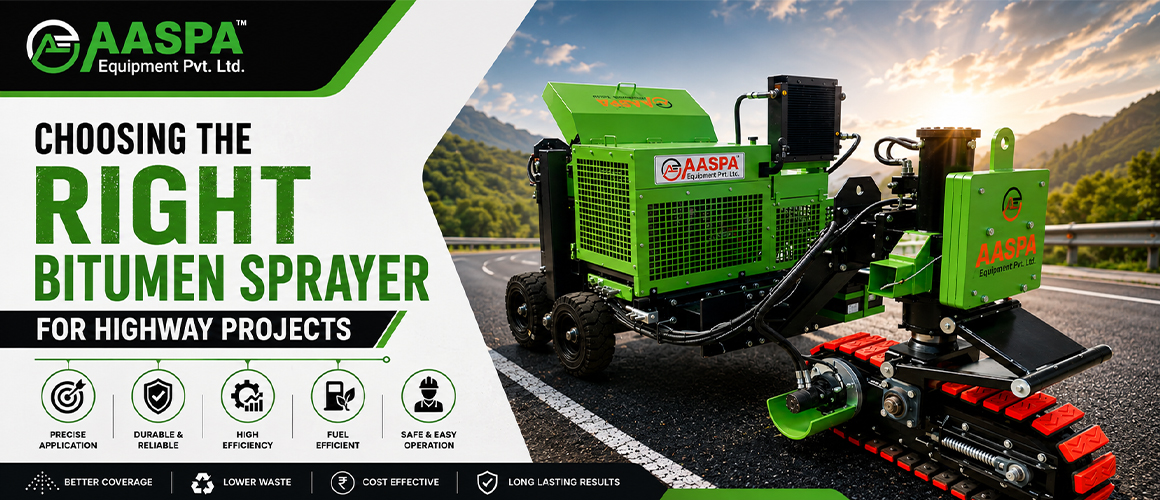
Mobile asphalt plants make a lot of sense for big highway projects because they can be moved right to where the work is happening. This cuts down on the time and cost involved in transporting hot asphalt from a fixed plant far away. Think of it as having your kitchen on wheels, preparing fresh meals exactly where they’re needed, rather than cooking centrally and then trucking everything for miles. This immediate proximity offers significant advantages in efficiency and quality, especially when dealing with the vast, often linear nature of highway construction.
Advantages of Mobile Asphalt Plants in Large Highway Projects
Using mobile asphalt plants on large highway projects isn’t just a minor tweak; it’s a fundamental shift that brings several key benefits to the table. These aren’t just theoretical upsides; they translate directly into smoother operations and better project outcomes.
Enhanced Flexibility and Mobility
One of the biggest wins with mobile plants is their ability to relocate. Highway projects often span many miles, and as sections are completed, the focus shifts down the road. A traditional, fixed plant would require lengthy and costly transport of asphalt over increasing distances. With a mobile plant, you can simply pack it up and move it closer to the active construction zone. This flexibility means less time spent trucking material and more time actually laying asphalt. It’s like having a dedicated manufacturing facility that follows your construction crews, ensuring a constant and fresh supply.
Improved Asphalt Quality and Freshness
Asphalt is a temperamental material. It needs to be kept at specific temperatures, and the longer it travels, the more its temperature drops and its quality can degrade. With a mobile plant on-site or very close to it, the asphalt is produced and laid almost immediately. This translates to higher compaction rates, better bonding, and ultimately, a more durable and longer-lasting road surface. You’re reducing the opportunity for the material to cool and age prematurely, which can be critical for the final product’s integrity.
Reduced Transportation Costs and Logistics
Transporting hot asphalt is expensive. You need specialized, insulated trucks, and the fuel costs for hauling over long distances are substantial. When your asphalt plant is on-site, those trucking costs plummet. Not only are you saving on fuel, but you’re also reducing wear and tear on your vehicle fleet and cutting down on driver wages for long hauls. Furthermore, you’re simplifying the logistics chain. Less traffic on local roads from asphalt trucks means less disruption and a safer work environment for everyone involved.
Faster Project Completion and Productivity
Because you’re cutting down on travel time for asphalt and ensuring a consistent, fresh supply, your paving crews can work more efficiently. There are fewer delays waiting for trucks, and the continuous flow of material means they can maintain a steady pace. This direct boost in productivity can significantly shorten project timelines, which is a major advantage for large-scale highway projects where every day counts. Finishing a project ahead of schedule can lead to significant cost savings and less disruption for the public.
Key Features of Mobile Asphalt Plants for Efficient Highway Construction
Mobile asphalt plants are designed with specific features that make them ideal for the demands of highway construction. These aren’t just smaller versions of fixed plants; they’re engineered for portability and rapid deployment without sacrificing performance.
Modular and Portable Design
The core of a mobile plant’s effectiveness lies in its modular design. It’s broken down into easily transportable sections that can be assembled relatively quickly on-site. This isn’t just about moving the entire plant; it’s about being able to set it up, get it running, and then dismantle it efficiently when the job requires a move. This modularity means less time wasted on complex setup and more time producing asphalt.
High Capacity and Performance
Don’t let the term “mobile” fool you; these plants are capable of producing large quantities of asphalt. They’re designed to meet the high demand of large highway projects, delivering continuous output to keep pace with aggressive paving schedules. Modern mobile plants utilize advanced burning and mixing technologies to ensure consistent quality and high production rates, often rivaling smaller fixed plants.
Advanced Control Systems and Automation
Efficiency in asphalt production is heavily reliant on precise control. Mobile plants feature sophisticated control systems that monitor and adjust aggregate feed rates, asphalt cement percentages, and heating temperatures. This automation ensures consistent mix quality, reduces waste, and allows operators to make real-time adjustments based on project specifications or varying conditions. These precise controls are vital for meeting stringent highway construction standards.
Fuel Efficiency and Environmental Controls
Today’s mobile asphalt plants are built with an eye toward sustainability. They incorporate features like efficient burner designs to reduce fuel consumption and advanced emissions control systems (such as baghouses) to minimize airborne pollutants. While they are still industrial operations, the goal is to make them as environmentally responsible as possible, aligning with modern construction practices that prioritize reduced environmental impact.
Environmental Benefits of Mobile Asphalt Plants in Highway Projects
Beyond the operational efficiencies, mobile asphalt plants offer tangible environmental benefits that contribute to more sustainable highway construction. These aren’t just feel-good points; they have a real impact on the ecological footprint of a project.
Reduced Fuel Consumption and Emissions from Transport
As mentioned before, moving the plant closer to the work site drastically cuts down on the need for long-distance asphalt transport. This directly translates to less fuel burned by hot asphalt trucks, and consequently, a reduction in greenhouse gas emissions and other air pollutants like NOx and particulate matter. The overall carbon footprint of the project is thereby lessened.
Minimized Noise and Air Pollution in Populated Areas
By moving the asphalt production away from urban centers or densely populated areas where fixed plants might typically be located, mobile plants help to reduce localized pollution. While they still produce noise and emissions, these are confined to the construction corridor, often a less populated or temporarily restricted area, rather than impacting residential or commercial zones with regular operations.
Potential for Recycling and Reclaimed Asphalt Pavement (RAP)
Many modern mobile asphalt plants are equipped to incorporate a significant percentage of Reclaimed Asphalt Pavement (RAP) into their mixes. This allows for the recycling of old road surfaces directly on-site, reducing the need for virgin aggregates and asphalt cement. This circular economy approach is a major environmental win, conserving natural resources and diverting waste from landfills. Using RAP not only saves raw materials but also reduces the energy required to heat and dry new aggregates. It’s a prime example of how mobile plants can facilitate more sustainable practices.
Cost-Effectiveness of Mobile Asphalt Plants for Large-Scale Highway Construction
While the initial investment in a mobile asphalt plant can be significant, the long-term cost savings and operational efficiencies often make them a very cost-effective choice for large highway endeavors.
Lower Operating Expenses Through Reduced Logistics
The savings on transportation costs alone can be substantial over the life of a large project. Fuel, truck maintenance, driver wages, and potential traffic fines all add up when hot asphalt is trucked for dozens or even hundreds of miles. By drastically minimizing these logistical outlays, mobile plants contribute directly to a healthier project budget.
Minimized Material Waste and Re-work
Producing fresh, consistently heated asphalt on-site leads to better compaction and a higher quality pavement. This reduces the likelihood of premature pavement failure, which would necessitate costly re-work down the line. Better quality initially means a more durable surface and fewer warranty claims or early maintenance expenditures.
Faster Project Delivery and Penalty Avoidance
Time is money in highway construction. Delays can lead to significant financial penalties from governing authorities. By enabling faster project completion through efficient asphalt supply, mobile plants can help avoid these penalties and even potentially unlock early completion bonuses. This direct impact on project timelines has a tangible financial benefit.
Integration of Mobile Asphalt Plants in Modern Highway Project Management
Incorporating mobile asphalt plants effectively requires careful planning and smart project management. They are a tool, and like any tool, their maximum benefit is realized when used strategically within the broader project framework.
Strategic Site Selection and Setup
Choosing the right location for your mobile plant is crucial. It needs to be close enough to the active paving zones to minimize transport, but also accessible for material deliveries (aggregates, asphalt cement), have sufficient space for stockpiles, and meet local environmental and zoning regulations. Planning for water, power, and temporary infrastructure is also part of this critical first step.
Supply Chain and Material Management
Even with a mobile plant, you still need a steady supply of raw materials like aggregates and asphalt cement. Effective project management means having robust contracts with suppliers, efficient delivery schedules, and sufficient on-site storage to prevent delays. The plant might be mobile, but the supply chain for its inputs must be fixed and reliable.
Quality Control and Compliance
Just because the plant is mobile doesn’t mean quality standards are relaxed. In fact, on-site laboratories and rigorous testing protocols are often essential to ensure the produced asphalt meets all project specifications and regulatory requirements. Continuous sampling and testing of aggregates and the final mix are critical for road longevity and safety.
Coordination with Paving Crews and Other Contractors
The asphalt plant is just one part of a complex operation. Smooth coordination with paving crews, earthwork contractors, and other specialty service providers is paramount. Real-time communication and synchronized schedules ensure that the asphalt is produced precisely when and where it’s needed, preventing bottlenecks and maximizing efficiency for all involved.
Best Practices for Implementing Mobile Asphalt Plants in Large Highway Projects
To truly harness the power of mobile asphalt plants, there are certain practices that, when followed, can make a significant difference in a project’s success.
Thorough Feasibility Studies and Planning
Before deploying a mobile plant, conduct a detailed study. This includes analyzing the project’s scale, duration, geographical spread, and logistical challenges. Compare the costs and benefits of mobile versus fixed plants based on these specifics. A well-researched plan will guide site selection, material sourcing, and overall operational strategy.
Investing in Training and Skilled Operators
Even the most advanced plant is only as good as its operators. Invest in comprehensive training for your plant managers, operators, and maintenance staff. Skilled personnel ensure efficient operation, consistent product quality, proactive maintenance, and adherence to safety protocols. This reduces downtime and expensive mistakes.
Regular Maintenance and Calibration
Mobile plants, like all heavy machinery, require rigorous and routine maintenance. Establish a preventative maintenance schedule to minimize unexpected breakdowns. Regular calibration of weighing systems and temperature sensors is also crucial to ensure accurate mix designs and consistent asphalt quality. Overlooking maintenance can lead to costly delays and quality issues.
Adherence to Environmental and Safety Regulations
Beyond operational efficiency, strict adherence to all local, state, and federal environmental and safety regulations is non-negotiable. This includes managing emissions, noise levels, stormwater runoff, and ensuring a safe working environment for all personnel. Proactive compliance avoids fines, project stoppages, and reputational damage.
Future Trends and Innovations in Mobile Asphalt Plant Technology for Highway Construction
The asphalt industry is continually evolving, and mobile plants are at the forefront of some exciting developments that promise even greater efficiency and sustainability.
Enhanced Automation and AI Integration
Expect to see even more sophisticated automation. AI and machine learning could optimize mix designs in real-time based on aggregate properties and weather conditions, further reducing waste and improving quality. Predictive maintenance algorithms could anticipate equipment failures, allowing for proactive repairs before problems escalate.
Increased Use of Sustainable and Recycled Materials
The push for greener construction will lead to mobile plants capable of incorporating higher percentages of RAP, as well as alternative binders and recycled materials like plastics and rubber. These innovations aim to reduce reliance on virgin materials and lower the overall environmental impact of asphalt production.
Electrification and Alternative Fuel Sources
As environmental regulations tighten, there will be a growing shift towards more sustainable power sources for mobile plants. This could involve hybrid electric systems, biomass burners, or even fully electric setups powered by renewable energy, particularly for components that don’t directly require fossil fuel combustion for heating.
Remote Monitoring and IoT Connectivity
The Internet of Things (IoT) will play a bigger role. Remote monitoring of plant operations, material levels, emissions, and equipment health will become standard. This real-time data will allow for better decision-making, optimize logistics, and improve overall operational control from a central location, regardless of where the mobile plant is situated. These advancements promise to make mobile asphalt plants even more integral and efficient in the future of highway construction.
FAQs
What are the key features of mobile asphalt plants for efficient highway construction? Mobile asphalt plants are designed to be easily transportable and set up at the construction site, allowing for quick and efficient production of asphalt. They are equipped with advanced technology for precise and consistent mixing of asphalt, as well as dust collection systems to minimize environmental impact. Additionally, mobile asphalt plants often have the capability to produce a wide range of asphalt mix designs to meet the specific requirements of highway projects.
What are the environmental benefits of using mobile asphalt plants in highway projects? Mobile asphalt plants offer several environmental benefits, including reduced emissions and energy consumption compared to traditional stationary plants. They are designed with advanced pollution control systems to minimize the release of harmful gases and particulate matter into the air. Additionally, their ability to produce asphalt at the construction site reduces the need for long-distance transportation of materials, further reducing carbon emissions and environmental impact.
How do mobile asphalt plants contribute to cost-effectiveness in large-scale highway construction? Mobile asphalt plants offer cost savings in several ways. Their ability to produce asphalt directly at the construction site reduces transportation costs and the need for additional storage facilities. They also have lower energy consumption and maintenance requirements compared to stationary plants, resulting in reduced operating costs. Furthermore, the flexibility and efficiency of mobile asphalt plants can lead to faster project completion, minimizing labor and equipment costs.
What are the best practices for implementing mobile asphalt plants in large highway projects?
To successfully implement mobile asphalt plants in large highway projects, it is important to carefully plan and coordinate their use with other construction activities. This includes selecting the appropriate plant size and capacity, optimizing production schedules, and ensuring proper maintenance and training for plant operators. Additionally, effective communication and collaboration between project stakeholders, including contractors, engineers, and regulatory agencies, are essential for the successful integration of mobile asphalt plants.
What are the future trends and innovations in mobile asphalt plant technology for highway construction?
The future of mobile asphalt plant technology is focused on further improving efficiency, sustainability, and automation. This includes the development of advanced control systems for precise asphalt mixing, as well as the integration of renewable energy sources to reduce environmental impact. Innovations in materials and design are also being explored to enhance the durability and performance of asphalt produced by mobile plants. Additionally, advancements in digitalization and data analytics are expected to streamline plant operation and maintenance, leading to greater productivity and cost savings in highway construction projects.